
BLOG
What Queensland Property Owners Should Know About Lead Paint, Surface Preparation and Painting Standards
Painting an older property in Logan requires more consideration than selecting a new colour and preparing the visible surface. Existing coatings can contain lead, particularly on older homes, while Queensland building requirements also set expectations around suitable coatings, preparation and finished paintwork.
For property owners in Logan and surrounding suburbs, understanding what sits beneath an existing coating can help prevent hazardous dust exposure and avoid coating failures caused by unsuitable preparation.
Older paint may contain lead beneath newer coatings
Lead-based paint is most commonly associated with older properties. WorkSafe Queensland states that lead-based paint is most likely to be found in homes or structures built before 1970, including window frames, doors, skirting boards, cupboards, exterior walls, gutters, metal surfaces and fascias.
Older paint can remain beneath several newer layers, so the visible colour does not establish whether lead is present.
Lead cannot be reliably identified by appearance. WorkSafe Queensland recommends testing surfaces and paint layers that are going to be removed.
This becomes particularly relevant when preparation involves sanding, scraping or other methods that disturb an existing coating.
Why preparation methods matter on lead-painted surfaces
The main concern with deteriorating or disturbed lead paint is the generation and spread of contaminated dust. WorkSafe Queensland identifies paint removal from older domestic dwellings as a significant source of workplace lead exposure.
Where lead paint is in sound condition, complete removal is not always necessary. Painting over sound lead-based paint can be one possible approach. If the coating is flaking or chalking, controlled preparation that minimises lead dust may be required.
Dry sanding or uncontrolled scraping can create dust that settles on floors, furniture and other surfaces. Appropriate containment, cleaning, personal hygiene and disposal practices are therefore part of safe preparation where lead is suspected.
The same principle applies to exterior surfaces. Lead paint may be present on fascias, gutters, window frames and exterior walls, where weathering can cause older coatings to become powdery or flaky.
AS/NZS 2311 provides guidance for painting buildings
Australian painting work is not based solely on appearance or the number of coats applied. The QBCC Standards and Tolerances Guide refers to AS/NZS 2311, Guide to the Painting of Buildings, when assessing painting work.
The guide states that coatings should be suitable for the relevant conditions and expected wear and tear, unless documented otherwise.
The QBCC guide also identifies several visible paintwork defects, including runs, sags, wrinkling, bare areas, colour variations, surface cracks, coarse brush marks, sanding marks and blistering.
Paint durability is also addressed. Significant failure involving lifting, blistering, flaking or water penetration can constitute a defect when the affected area exceeds the relevant tolerance.
These requirements show why surface preparation and coating selection cannot be separated from the finished appearance.
Queensland licensing requirements can apply to painting work
Property owners should also understand when Queensland licensing rules apply. QBCC states that individuals and companies generally need the appropriate licence to carry out building work valued over $3,300, subject to exemptions and specific thresholds.
Painting a house is included within the QBCC definition of domestic building work.
The exact licensing position depends on the work, value and contracting arrangement. Property owners can check whether a contractor holds the relevant QBCC licence when licensing requirements apply.
A pre-paint inspection should identify more than surface colour
QBCC guidance on supervision and quality control specifically lists a pre-paint inspection as part of painting work. It also identifies checking that the correct paint type is used for the internal or external environment and that the selected finish matches the project requirements.
For an existing Logan property, that inspection can include checking for loose or chalking coatings, moisture damage, cracks, mould, damaged timber and incompatible existing finishes. Older properties may also require consideration of lead before mechanical preparation begins.
A new coating cannot compensate for an unstable substrate. If deteriorated paint, moisture or damaged material remains underneath, the new finish may fail with the underlying layer.
For property owners, the practical distinction is between painting over a suitable surface and using paint to conceal an unresolved surface problem.
DISCOVER WHAT OUR CUSTOMERS HAVE TO SAY ABOUT US
REVIEWS
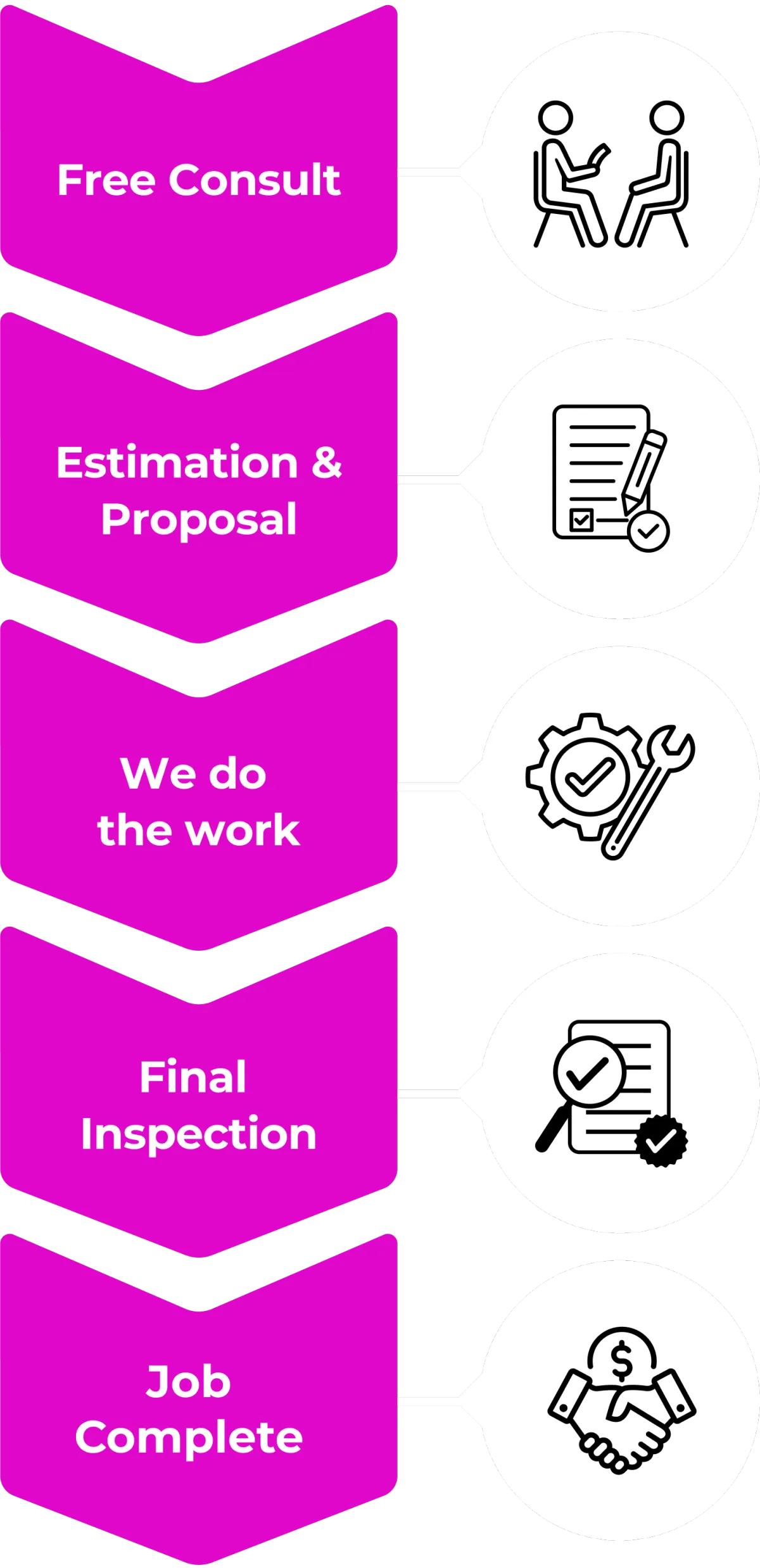
our process
Our process is simple and only contains a few simple steps


frequently asked questions
Find clear answers to the questions we’re asked most often.
How does the repair process work?
Once you contact Appliance Repair Solutions, a technician will discuss the issue with you and arrange a suitable inspection time. The problem is diagnosed on site, and clear advice is provided before any repair work begins. The goal is to complete repairs efficiently while keeping communication straightforward throughout the process.
How quickly can I book a technician?
Service availability depends on your location and the type of appliance issue. In many cases, same day or next day bookings may be available across Sydney. The team aims to respond promptly and provide flexible scheduling where possible.
Do you provide quotes before starting repairs?
Yes. After assessing the appliance and identifying the fault, you will receive clear information about the recommended repair and expected costs. This helps customers make informed decisions before approving any work.
What should I do before the technician arrives?
It helps to clear access around the appliance and make note of any error codes or unusual behaviour. If possible, have the appliance model number available as this can assist with diagnosing the issue faster. The technician will guide you through anything else needed when confirming the booking.
What should I do before the technician arrives?
It helps to clear access around the appliance and make note of any error codes or unusual behaviour. If possible, have the appliance model number available as this can assist with diagnosing the issue faster. The technician will guide you through anything else needed when confirming the booking.
proudly serving Baulkham Hills
Homebush
Gladesville
Leichhardt
North Sydney
Mosman
Box Hill
Marsden park

Trusted & Accredited Plumbers
READY TO take the next step?
get a free quote TODAY!
Modern Paint Coatings - Painter Logan
Boronia heights